
Brazil
FIFA Ranking: 3
The Brazil national football team is one of the most successful national teams in the world, having won the World Cup five times and renowned for their technically fluent attacking style of play.
5 World Cup titlesView Details
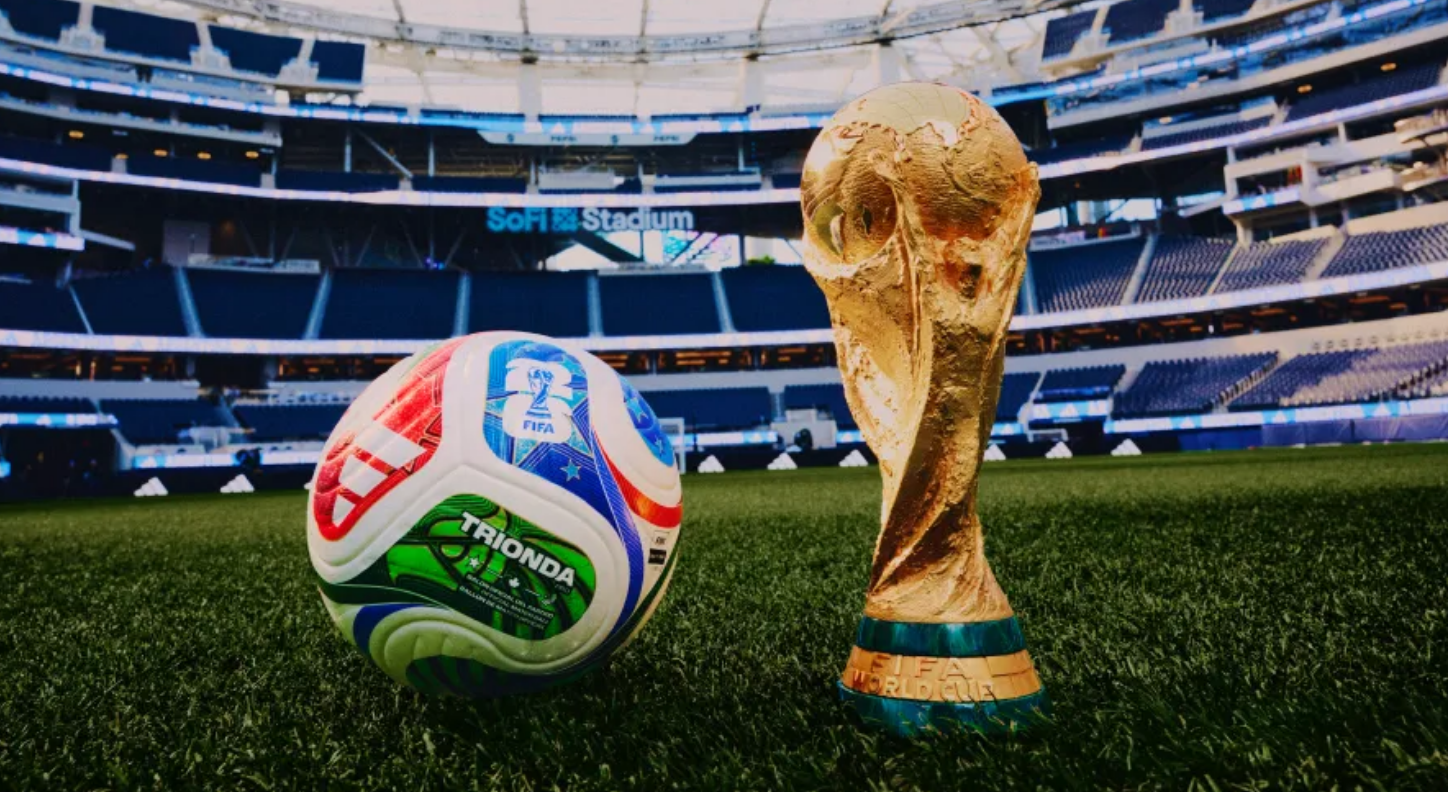
Explore the glorious history of the World Cup and team information.
Host Nations
3
USA, Canada, Mexico
Teams
48
largest finals field yet
Match Cities
16
spread across North America
FIFA Ranking: 3
The Brazil national football team is one of the most successful national teams in the world, having won the World Cup five times and renowned for their technically fluent attacking style of play.

FIFA Ranking: 1
The Argentina national football team is one of South America's most successful teams, having won the World Cup three times and renowned for their passionate style of play and legendary players.

FIFA Ranking: 2
The France national football team is one of Europe's most successful teams, having won the World Cup twice and renowned for their strong squad and tactical flexibility.

FIFA Ranking: 4
The Germany national football team is one of the most successful national teams in the world, having won the World Cup four times and renowned for their disciplined approach and tactical excellence.

FIFA Ranking: 5
The Spain national football team is known for their 'tiki-taka' style of play and was the dominant force in world football during the 2010s, winning the World Cup in 2010 and consecutive European Championships.

FIFA Ranking: 6
The England national football team, often referred to as the Three Lions, is one of the oldest national teams in the world and won the World Cup once in 1966 on home soil.

FIFA Ranking: 7
The Netherlands national football team, known as Oranje, is known for their attacking style of play and has reached the World Cup final three times, though they have yet to win the tournament.

FIFA Ranking: 8
The Belgium national football team, known as the Red Devils, has emerged as a major force in world football in recent years, reaching the semi-finals of the 2018 World Cup and achieving the top FIFA ranking.

FIFA Ranking: 9
The Croatia national football team has established itself as a competitive force in world football, reaching the World Cup final in 2018 and finishing third in 2022.
2022
Champion: Argentina32 teams, 64 matches, 172 goals.
Finalists: Argentina and France. Third place went to Croatia, with Morocco finishing fourth.
2018
Champion: France32 teams, 64 matches, 169 goals.
Finalists: France and Croatia. Third place went to Belgium, with England finishing fourth.
2014
Champion: Germany32 teams, 64 matches, 171 goals.
Finalists: Germany and Argentina. Third place went to Netherlands, with Brazil finishing fourth.
2010
Champion: Spain32 teams, 64 matches, 145 goals.
Finalists: Spain and Netherlands. Third place went to Germany, with Uruguay finishing fourth.
Dates
Starts
June 11, 2026
Ends
July 19, 2026
Host Countries
Teams
48
record high
Venues
16
16 stadiums
Matches
80
across the tournament

Host Nation
11 cities

Host Nation
3 cities

Host Nation
3 cities
Surprising trivia from World Cup
The FIFA World Cup trophy weighs 6.175 kg, is made of 18K gold, and is valued at approximately $10 million.
German striker Miroslav Klose holds the record for most World Cup goals with 16 goals.
The 1950 Brazil World Cup final attracted over 170,000 spectators, setting an all-time record.
Brazil is the only country to have participated in every World Cup, winning 5 titles.
In the 2002 World Cup, Turkish forward Hakan Sukur scored the fastest goal in tournament history after just 11 seconds.
Brazilian star Pele was only 17 years old when he won the World Cup in 1958, making him the youngest champion in tournament history.
Egyptian goalkeeper Essam El-Hadary was 45 years old at the 2018 World Cup, making him the oldest player in World Cup history.
Mexico defender Rafael Marquez appeared at five World Cups from 2002 through 2018, a landmark run for the modern era.
Follow our World Cup hub for the latest news, team analysis, and tournament predictions.
This site provides editorial football content for informational purposes.
While we aim for accuracy and relevance, we do not guarantee that all content is complete or up to date.
Content reflects editorial perspectives and should not be considered professional or financial advice.
By accessing and using this site, you agree to these terms.